Table of Contents

University Degrees

Discover our university degrees—specialized programs designed to meet specific professional needs and enhance your expertise.

Ergonomics

Rates

Apply

Admission to the University Diploma in Ergonomics is a three-step process:
  1. Submission of the application (and the portfolio for recognition of prior learning for applicants who do not hold a two-year post-secondary degree),
  2. Review of the application materials,
  3. An individual interview with the selection committee, focusing in particular on the candidates’ reasons for applying to the program. Candidates will be notified of the committee’s decision by mail.

Contact

Nicolas BERT – Lecturer and Researcher in Cognitive Ergonomics

Training Coordinator
nicolas.bert@utbm.fr
Tel. +33 (0)3 84 58 37 65

All sessions are conducted remotely, except for 7 days at the UTBM campus in Montbéliard (2 days at the start of the program and a week of hands-on training in July).

  • Registration is open through January, subject to availability (applications will be reviewed and candidate interviews conducted via Teams on a rolling basis—please submit your application right away)
  • Information session via Teams on Tuesday, September 30, 2025, at 5:30 p.m. (A link and additional information will be sent to those interested)
  • Admissions Committees: The first admissions committee will meet on October 3, 2025, and then once a month (depending on the number of remaining openings).

Next session: March 2026 through January 2027

Current session: March 5, 2025, to January 15, 2026

Previous session: March 6, 2024, to January 16, 20

This degree is intended for:

  • to healthcare professionals (occupational physicians, company nurses, etc.)
  • for engineers and technicians, as well as technicians and designers involved in issues related to ergonomics and working conditions
  • Employees with a two-year post-secondary degree (candidates who do not hold such a degree may apply forRecognition of Prior Learning), who, as part of their job duties, develop and/or contribute to risk prevention policies and to the design or even modification of work systems
  • to managers and designers

This university degree has three objectives:

1) Develop the expertise of ergonomics professionals by mastering the methodologies and tools used in an ergonomic approach:

– Conduct a detailed ergonomic assessment of work situations.

– Identify complaints and physical and mental health issues among employees.

– Incorporate ergonomic recommendations into design specifications or work organization guidelines.

– Design or set up systems or workstations to improve employees' overall well-being.

2) Apply ergonomic principles in the context of a system or workstation design or layout project based on a case study.

3) Exchange ideas and discuss real-world challenges during several sessions dedicated to sharing experiences, organized with experts in the field of ergonomics.

The program covers the knowledge developed and the associated methods and tools used in an ergonomic approach. A case study will be conducted to apply all the concepts and methods learned, the main ones being the following:

  • Gain knowledge about the physical, psychological, and social functioning of human beings
  • Conduct an ergonomic assessment of various work situations
  • Effectively investigate and address employee complaints and concerns
  • Assessing Psychosocial Risks, Mental Workload, and Stress in the Workplace
  • Evaluating Human-Machine Interactions (HMI)
  • Assess the physical conditions and the strenuousness of work situations
  • Measuring physical and environmental conditions: acoustics, lighting, and thermal conditions
  • Develop specifications and ergonomic recommendations for a system or workstation
  • Designing Systems/Workstations: IT Tools and Design, Design Methodology
  • Train employees in a proactive approach to change management and change support (theory of commitment and persuasion)
  • Discuss directly with professionals and experts in the field of ergonomics about the tools used in the training program
  • Develop a network in the field of ergonomics and ensure the continuity of training over time
  • Managing and Communicating Effectively in the Workplace
  • Lead a project; adopt and implement a personal work methodology.

The training program consists of 280 hours, or 40 days spread over 12 months (4 days per month). 

Distance Learning: The program consists of 280 hours, or 40 days (including 5 days at the Montbéliard campus), spread over 12 months (4 days per month).

The faculty consists of academics, researchers, and professionals—including practitioners and consultants—in the fields of ergonomics, medicine, occupational health and safety, design, engineering, and management.

University degree awarded by UTBM.

Recognition of the degree (Bac+3) by:

  • The writing of a thesis and the associated defense before a committee,
  • A written exam at the end of the semester.

Case studies, writing assignments, group projects, and oral presentations form the foundation of the program.

Throughout the training program, the trainee conducts a case study at a company to apply the approach and tools taught. In the field, the trainee performs an ergonomic assessment of predefined work situations and will propose recommendations to improve employees’ physical and mental well-being. Solutions related to layout, organization, and design may be proposed.

Prospective interns with disabilities: Please let us know so that we can put you in touch with our disability liaison.

For more information: https://www.utbm.fr/formations/formation-continue/
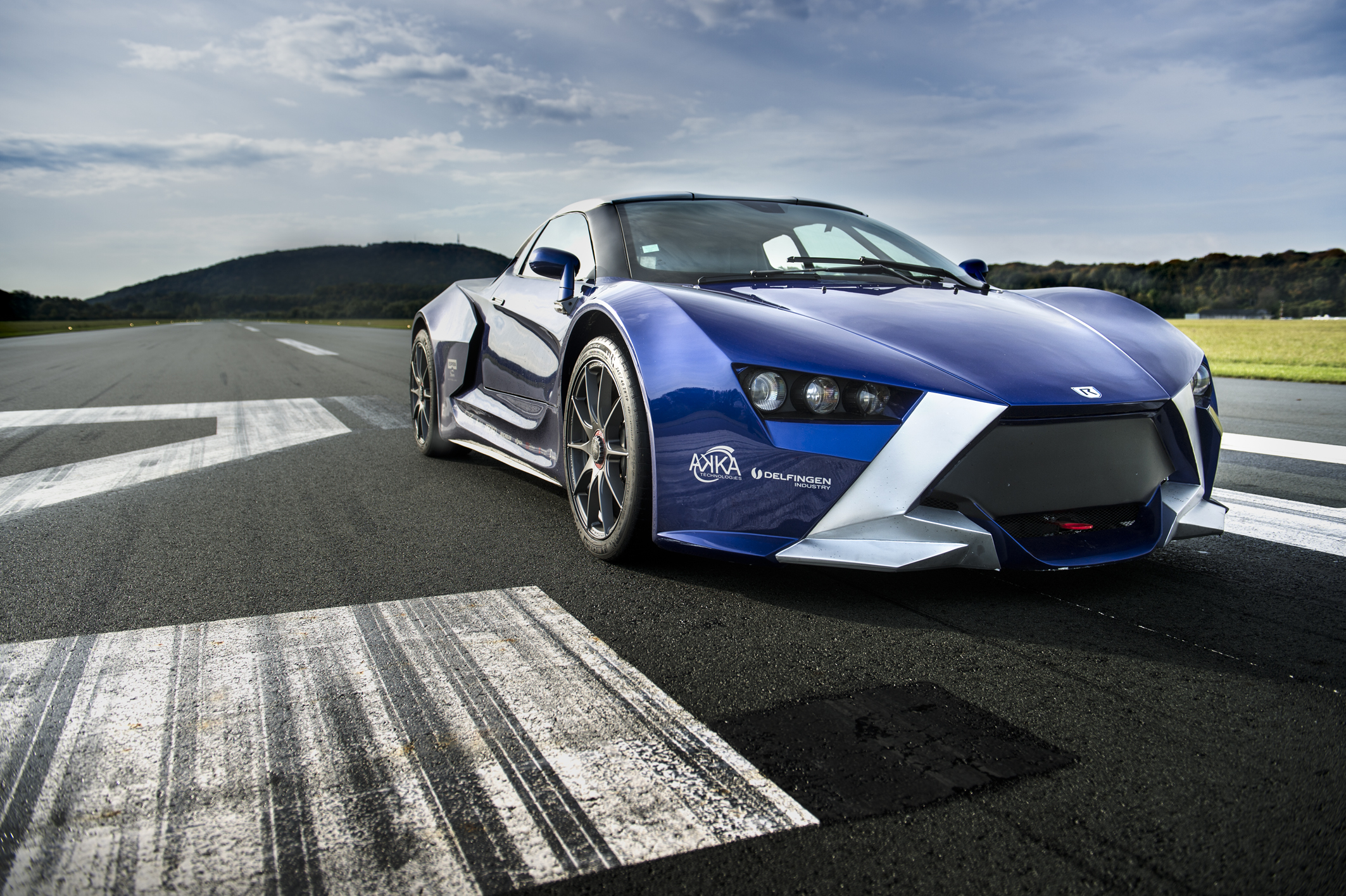
A blue AKKA car on a racetrack

Automotive Prototype Engineer

ESPERA Sbarro School

Text to add

Human Resources Management

Rates

Apply

Admission to this University Diploma (DU) in Human Resources Management is a three-step process:
  1. Submission of the application package (and the Professional Experience Validation application for those who do not hold a two-year post-secondary degree),
  2. Review of the application materials,
  3. Individual Interview with the admissions committee, focusing in particular on the applicant’s reasons for pursuing the program—one committee per month from November through February

Contact

Michaël FESTA

Training Manager
michael.festa@utbm.fr

Distance learning is available; please contact us.

The next session is scheduled for March 2026.

  • Admission after two years of post-secondary study
  • Recognition of Prior Learning (RPL) is available
  • Anyone responsible for HR matters with at least 2 years of professional experience

This training is intended for anyone responsible for personnel management who wishes to enhance their skills in this area (HR staff members, personnel managers, personnel or HR assistants, executive assistants, etc.).

  • Master all regulatory and contractual processes related to the HR function in companies,
  • Acquire an understanding of the fundamental principles and practice of labor law with a view tooptimal personnel management,
  • Understand the rules governing employee representative bodies (CSE, CSSCT, and union representatives),
  • Gain an understanding of current concepts related to quality of life at work, inclusion, and the GDPR,
  • Develop a compensation policy, administer and process payroll,
  • Develop, negotiate, and implement training plans,
  • Implement and facilitate a Strategic Workforce Planning and Skills Management (GPEC),
  • Implement a policy for occupational health and safety prevention
  • Communicate internally and externally,
  • Fostering social dialogue,
  • Conduct employee interviews and lead meetings,
  • Avoiding and managing conflicts,
  • Leading change,
  • Advise the company's operational management and executive teams,
  • Integrate the HR function into a process of continuous improvement

This degree program is organized into various modules

  • The Major Challenges Facing Today's HR Department and Its Role in the Company
  • Labor Law and the Legal Framework for Human Resources
  • GPEC: Effective Recruitment Management, Performance Evaluation, and Training Management
  • Administration and Payroll, Time Management, and Compensation Policies
  • Occupational Health and Safety: Safety, Prevention, Ergonomics, Psychosocial Risks
  • The concepts of QVCT, inclusion, and the GDPR (General Data Protection
    Data)
  • Human Relations: The Human Factor and Change Management, Interpersonal
    , oral communication
  • Social Relations, Internal and External Communication
  • Employee Representative Bodies: Understanding, Management, and Dialogue
  • Conducting Various Types of Interviews Related to the HR Role

These skill modules are independent
“À la carte” modules available—contact us for more information

40 days spread out over 1 year, at a rate of 2 days every 15 days (Thursdays and Fridays)

The teaching team consists of of academics, consultants, and experts in HRM and OHS drawn from the professional world.

University degree awarded by UTBM.

Recognition of the degree (Bac+3) by:

  • Writing a thesis and presenting it to a committee,
  • In-class exams during the training program (case studies, essay questions, etc.)
  • assessments based on the following themes:
  • Social Legislation
  • Payroll and Human Resources Administration
  • Training and Workforce Planning
  • Occupational Health and Safety
  • Trainers with backgrounds in the industrial sector
  • Interactive Methods
  • A variety of modern teaching methods tailored to the level of all trainees
  • Real-World Case Studies
  • Project-Based Group Work
  • Entrepreneurial Culture
  • Assessment Throughout the Program

Prospective interns with disabilities: Please let us know so that we can put you in touch with our disability liaison.

For more information: https://www.utbm.fr/formations/formation-continue/
Contact